Scanned and Photographed Bank Statements: Getting Accurate Data Fast
The Reality of Scanned Statements
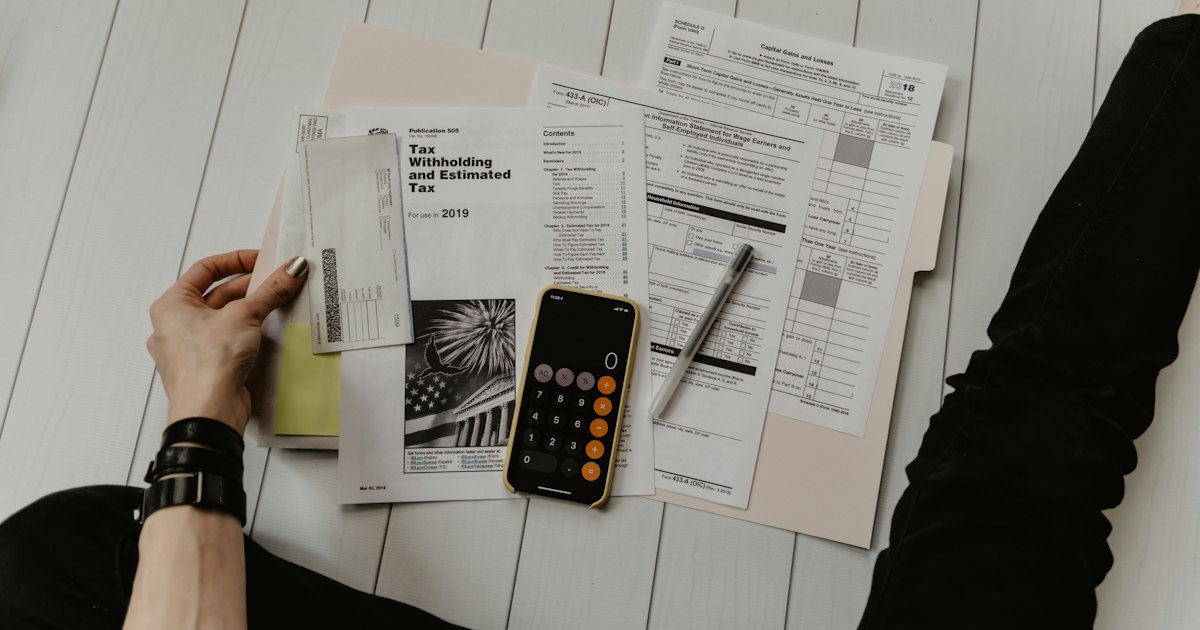
You are staring at a pile of crumpled, coffee-stained bank statements from a client who refuses to use online banking. You need these transactions in Excel by the end of the day. Can you get accurate data out of these low-quality scans and photos? Yes, provided you use an AI-powered OCR tool that performs layout reconstruction rather than just simple text recognition. The direct answer is that modern converters can achieve 90-98% accuracy on scanned documents, but you must verify the output against the printed balance to ensure 100% data integrity.
Optical Character Recognition (OCR) is the engine that turns a flat image of a statement into a structured spreadsheet. However, not all OCR is created equal. Older, template-based systems often fail when a page is slightly tilted or a shadow obscures a column. Modern AI-driven tools, like BankSheet.ai, use table detection algorithms that understand the relationship between dates, descriptions, and currency columns, even when the document quality is less than ideal.
Why Scan Quality Dictates Your Success
The accuracy of your conversion is directly proportional to the quality of the source file. While AI can perform miracles on blurry text, it cannot invent data that isn't there. A scan at 300 DPI or higher is the gold standard. If you are using a mobile scanning app, ensure the document is flat, well-lit, and free of heavy shadows. If you are dealing with a physical paper statement, a flatbed scanner will almost always outperform a smartphone camera.
Pro Tip: When scanning paper statements, avoid using 'auto-enhance' filters that increase contrast too aggressively. These filters often turn faint lines into solid blocks, which can confuse the table detection logic of your converter.
If you have the choice, always prioritize the digital PDF downloaded directly from the bank's portal. These files contain native text layers that require no OCR at all, resulting in near-perfect extraction. Reserve OCR for the 'shoebox' documents that simply have no digital alternative.
Benchmarking OCR Performance
Understanding what to expect from your tools helps manage client expectations and your own internal timelines. The following table illustrates the typical accuracy ranges you should anticipate based on the source document type.
| Source Type | Expected Accuracy | Verification Effort |
|---|---|---|
| Digital PDF (Native) | 99% - 100% | Minimal |
| High-Res Scan (300+ DPI) | 95% - 98% | Low |
| Mobile Photo (Good Light) | 90% - 95% | Moderate |
| Faded/Skewed Photocopy | 80% - 90% | High |
As shown in the data below, the time saved by using an automated tool remains significant even when the source quality is lower, provided you have a reliable verification workflow in place.
Time Saved: Manual Entry vs. OCR Conversion
The Verification Workflow
Never trust an OCR output blindly. Even with 99% accuracy, that remaining 1% can cause a reconciliation nightmare. The most effective way to verify a converted statement is to perform a 'balance chain' check. Compare the starting balance, the sum of debits and credits, and the ending balance of your generated spreadsheet against the totals printed on the original statement. If the math doesn't tie out, you know exactly which page to audit.
Pro Tip: If your converter flags a row as 'low confidence,' don't just delete it. Check the original image for a smudge or a folded corner. Often, a quick manual correction of a single digit is all that is needed to restore the integrity of the entire file.
Comparing Conversion Tools
When choosing a tool, consider your volume and the flexibility of the pricing model. BankSheet.ai offers a pay-once model, which is ideal for bookkeepers who have fluctuating workloads. Other tools like Nanonets or DocuClipper offer robust enterprise features but often come with higher price points or subscription requirements that may not suit a solo practitioner.
| Tool | Best For | Pricing Model |
|---|---|---|
| BankSheet.ai | Flexibility & Value | Pay-once page packs |
| Nanonets | Enterprise/API | Subscription/Usage-based |
| DocuClipper | High-Volume | Subscription |
BankSheet.ai is our own tool, designed specifically to solve the 'expiring credit' problem by offering page packs that never expire. While enterprise tools are excellent for high-volume, recurring API integrations, BankSheet is often the better choice for accountants who need to handle irregular batches of statements without committing to a monthly subscription.
Key Takeaways
| Point | Details |
|---|---|
| Source Quality | Always use digital PDFs when possible; use 300+ DPI for scans. |
| Verification | Always reconcile the ending balance against the source document. |
| OCR Limits | Expect 90-98% accuracy on scans; treat output as draft data. |
| Tool Selection | Choose pay-once models for irregular or seasonal workloads. |
Conclusion
The goal of using OCR isn't to achieve perfection on the first pass, but to reduce the manual labor of data entry to a simple verification task. By focusing on high-quality scans and implementing a strict balance-check workflow, you can turn even the most difficult paper statements into clean, usable data in minutes. If you are ready to streamline your workflow, you can try BankSheet free — 3 conversions a day, no signup to see how our pay-once page packs can handle your next batch of statements.