Scanned and Photographed Bank Statements: Getting Clean Data Fast
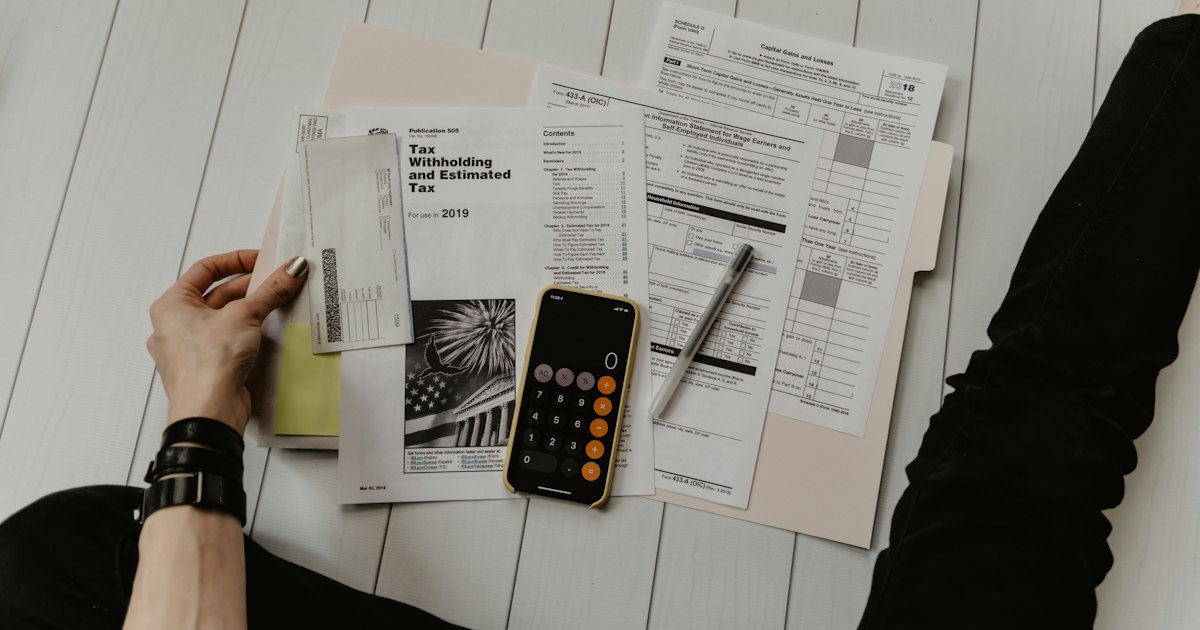
The Reality of Messy Statement Intake
You are staring at a client's folder containing a mix of crisp digital PDFs, grainy smartphone photos of paper statements, and a few scans that look like they were captured in a dark room. You need this data in Excel to start your reconciliation, but the thought of manual entry makes your eyes glaze over. The good news is that you do not need to spend hours typing. Modern OCR (Optical Character Recognition) tools can now handle these low-quality documents with high precision, turning a day of data entry into a ten-minute review process.
To get accurate data out of bad-quality PDFs, you must prioritize image clarity before processing. If you are scanning physical documents, aim for 300 DPI. If you are using a smartphone, ensure the document is flat, well-lit, and that the text is not obscured by shadows or glare. Once you have a clean image, the right conversion tool will handle the heavy lifting of table detection and character recognition, allowing you to move straight to the reconciliation phase.
Why Traditional OCR Often Fails
Standard OCR engines often struggle with bank statements because they treat the document as a flat block of text rather than a structured financial table. When a tool fails to recognize the grid, it merges columns, drops decimal points, or confuses debits and credits. This is why you often see "garbled" output where the date and description columns bleed into one another. The key to success is using a purpose-built bank statement converter that understands the specific layout of financial documents, including page breaks and running balances.
Benchmarking Your Conversion Workflow
Efficiency in bookkeeping is often measured by how much time you save on the "intake" phase. Below is a comparison of common methods for handling statement data, illustrating why specialized tools are the industry standard for high-volume work.
| Method | Accuracy | Time per 100 Trans. |
|---|---|---|
| Manual Entry | 95% (Human Error) | 60-90 Minutes |
| Basic PDF Export | 70-80% | 20-30 Minutes |
| BankSheet.ai | 99%+ | 2-5 Minutes |
Pro Tip: Always verify your extracted data by checking the ending balance in your spreadsheet against the ending balance on the original PDF. If they match, you can be confident that no transactions were skipped during the conversion process.
The Impact of Automation on Firm Scalability
When you automate the extraction of transaction data, you shift your role from a data entry clerk to a financial analyst. The following chart illustrates the time savings realized by firms that transition from manual entry to automated OCR workflows.
Time Saved per 100 Transactions
Handling Multi-Page and Complex Statements
One of the biggest hurdles in statement conversion is the multi-page document. When a transaction table breaks across a page, many generic tools lose the column alignment, resulting in a jumbled mess of data. A robust converter will recognize the table structure across page breaks, ensuring that the date, description, and amount columns remain perfectly aligned from the first page to the last. If you are dealing with high-volume business accounts, this feature is non-negotiable.
Pro Tip: If you receive a statement that is physically damaged or heavily creased, use a scanning app with a "document enhancement" filter. These filters increase contrast and remove shadows, which significantly improves the success rate of the OCR engine.
Key Takeaways
| Point | Details |
|---|---|
| Preparation | Use 300 DPI for scans; ensure photos are flat and well-lit. |
| Tool Selection | Choose tools that understand financial tables, not just text. |
| Verification | Always reconcile the ending balance to ensure data integrity. |
| Efficiency | Automation reduces processing time by over 90%. |
Conclusion
Stop letting bad-quality PDFs dictate your workflow. By using the right tools to handle scans and photos, you can reclaim the hours you currently spend on manual data entry and focus on the high-value accounting work your clients actually pay for. BankSheet.ai simplifies this by converting your bank and credit card statements into clean, ready-to-use Excel or CSV files with a simple pay-once credit model. You can try BankSheet free — 3 conversions a day, no signup to see how it handles your most difficult statements.